
Tirzepatide ➕💧➕💉in kit
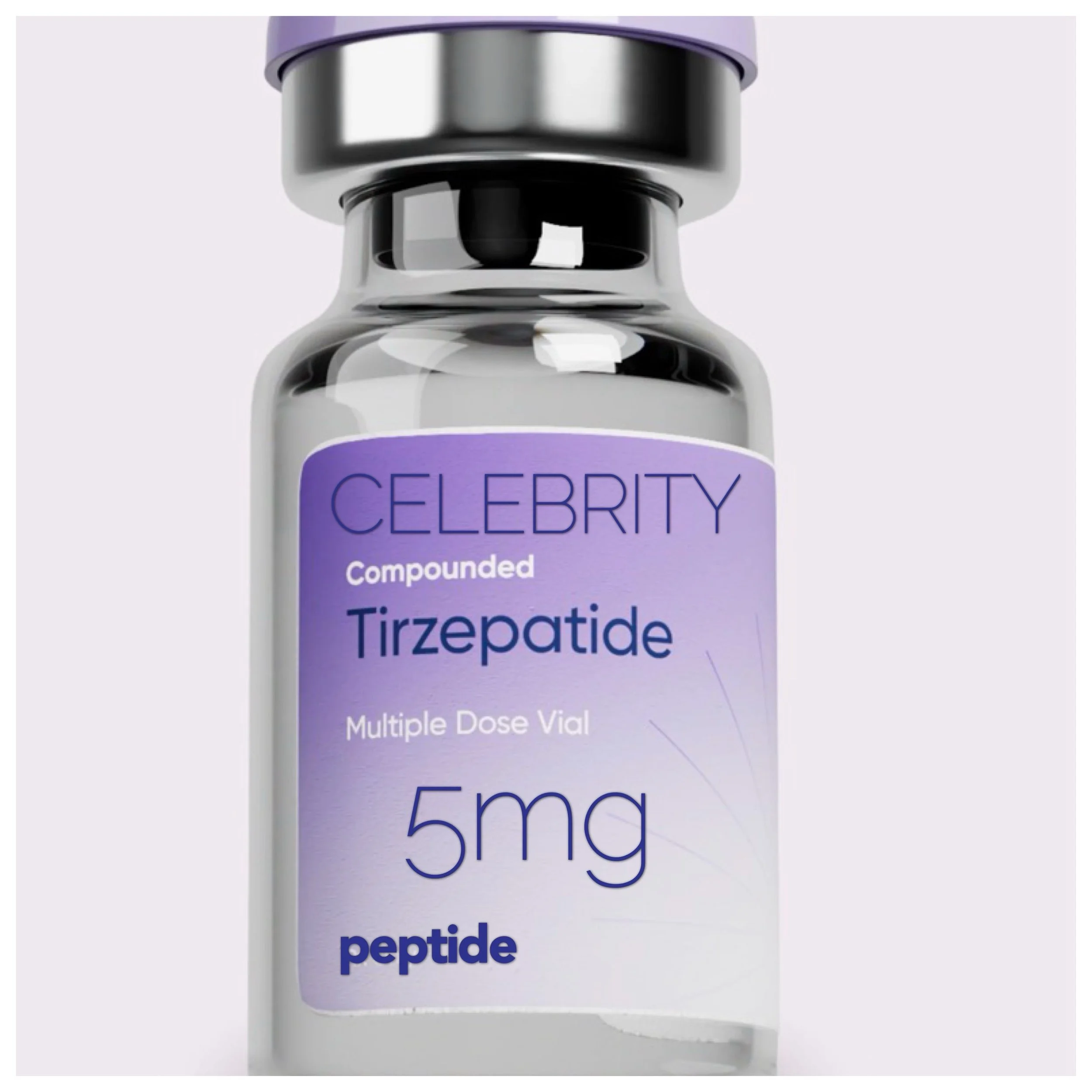

Tirzepatide ➕💧➕💉in kit
What is Tirzepatide?
Tirzepatide is the name of the drug — it’s not a brand name, but the active pharmaceutical ingredient (API) used in medications designed for the treatment of type 2 diabetes and obesity.
Brand Names Based on Tirzepatide:
Mounjaro® – Developed by Eli Lilly, approved for type 2 diabetes.
Zepbound™ – Also developed by Eli Lilly, specifically FDA-approved for chronic weight management (obesity) as of late 2023.
Compounded Tirzepatide – Available through licensed compounding pharmacies in the U.S. under the supervision of a healthcare provider; these versions are not FDA-approved but may be prescribed when medically necessary.
Drug Class: Dual GIP and GLP-1 receptor agonist
Form: Injectable medication, administered subcutaneously (under the skin), typically once per week
What Does Tirzepatide Contain?
Tirzepatide is a single-molecule drug that:
Mimics two natural gut hormones: GIP and GLP-1
These hormones regulate appetite, insulin secretion, and blood sugar levels
Unlike earlier GLP-1-only medications (like semaglutide in Ozempic®/Wegovy®), Tirzepatide targets two receptors:
GIP (glucose-dependent insulinotropic polypeptide)
GLP-1 (glucagon-like peptide-1)
This dual mechanism is why Tirzepatide is often called a "twin incretin" therapy — incretins are hormones that help regulate insulin and hunger responses.
How Does Tirzepatide Work
Tirzepatide works by:
Increasing satiety (you feel full sooner and longer)
Reducing appetite
Slowing gastric emptying
Improving insulin sensitivity
Lowering glucagon levels, which reduces blood sugar production by the liver
This combination leads to:
Substantial weight loss
Improved blood sugar control
Reduced risk of type 2 diabetes and other cardiometabolic conditions
Is Tirzepatide Combined with Other Medications?
Tirzepatide is a standalone therapy — it is not combined with other medications like semaglutide or liraglutide in a single pen or formulation. However, it may be part of a comprehensive medical plan including:
A reduced-calorie diet
Physical activity
Additional medications, such as:
Metformin (for diabetes)
Blood pressure medications (if cardiovascular risks are present)